

With the utilization of new technology comes lessons in checking for errors and optimizing settings. As cuts progressed over the weekend, the CNC was no different.
First, we learned to double check the placement of clamps to ensure proper clearance for the CNC’s cutting head to pass. A 1/2″ difference in placement caused the head to rub against the side of a clamp and, inexplicably, the CNC’s programming forced it to zero out along the vertical axis when it detected a collision. The boards were sliced in half, but the machine, cutting bit, and working bed came through undamaged. Lesson learned: double check clamp placement, ensuring a minimum 2″ clearance on either side of each dato cut.
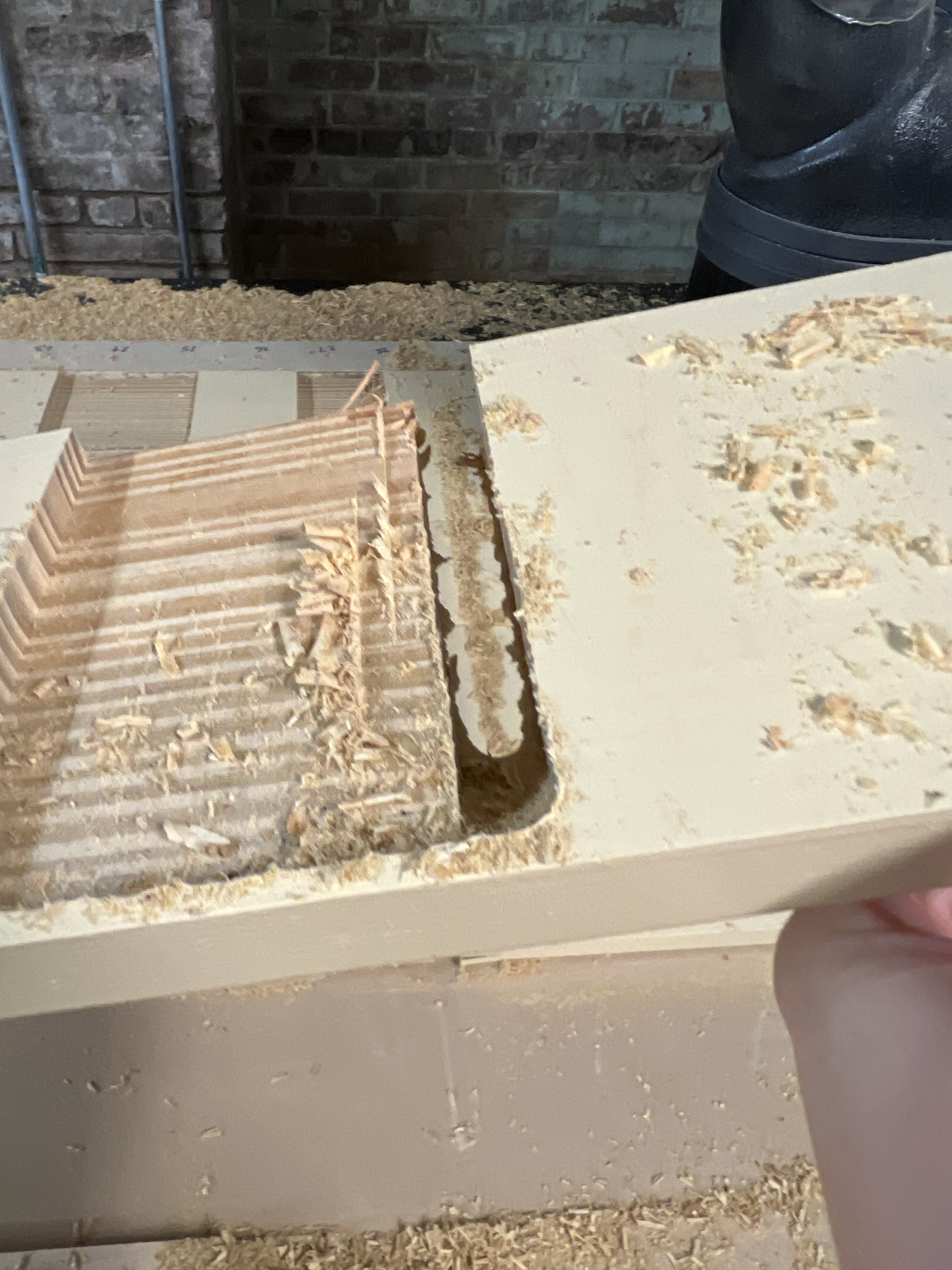
Second, we learned the benefits of climb cutting. Much like using a hand router, the motion of the CNC’s bit relative to is rotational direction impacts how cleanly wood cuts, especially material with natural grain orientation. Climb cutting refers to moving the bit with the direction of rotation. Although less stable (which doesn’t matter as much using an automated machine), this method reduces the likelihood of blowout (wood grain tearing out) at the end of each cut. Some simple reprogramming directed the CNC to begin cutting each dato in the middle, spiraling outwards to ensure consistent directionality of the bit. It worked fairly well, reducing blowout and producing cleaner results.
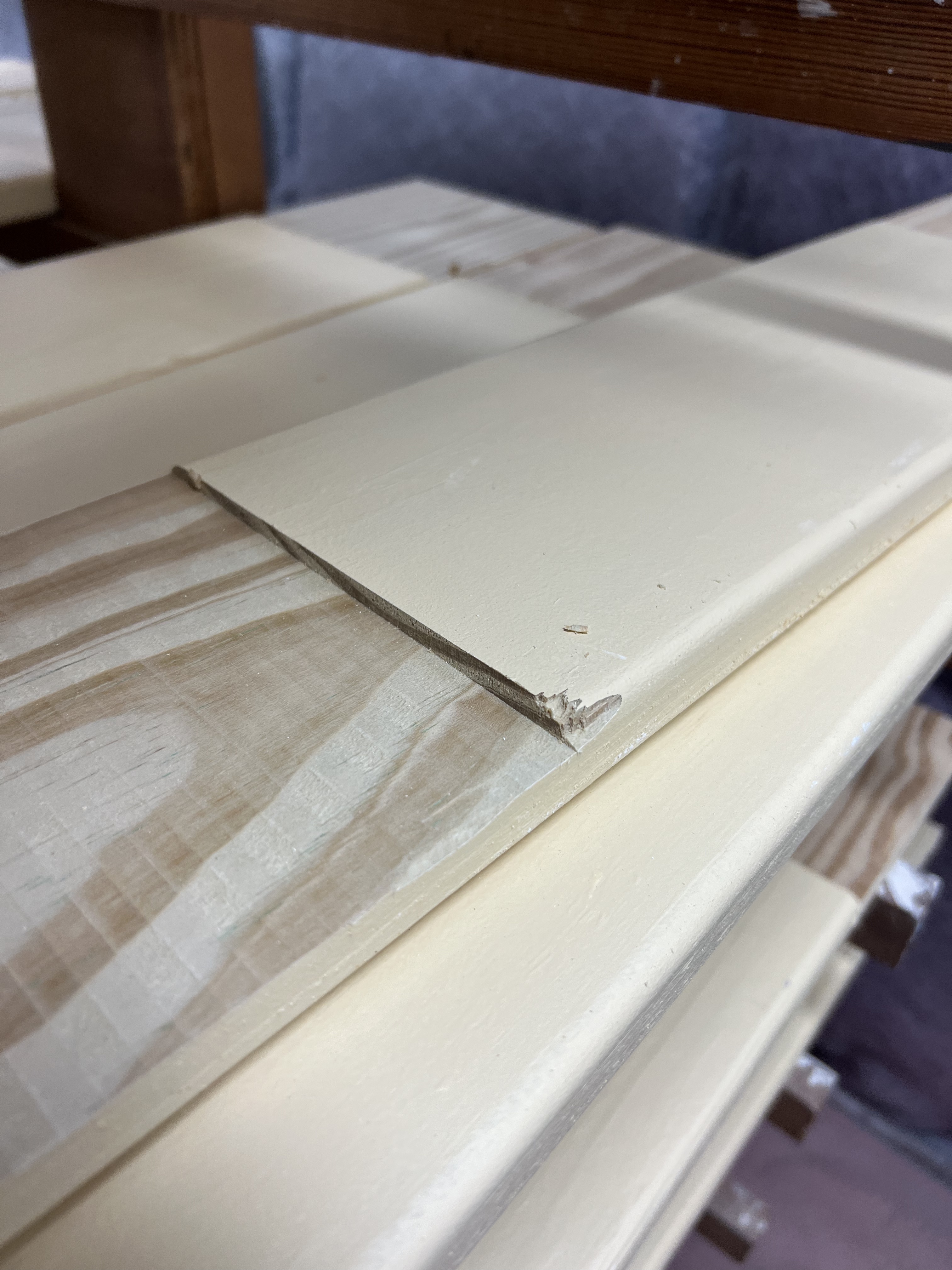
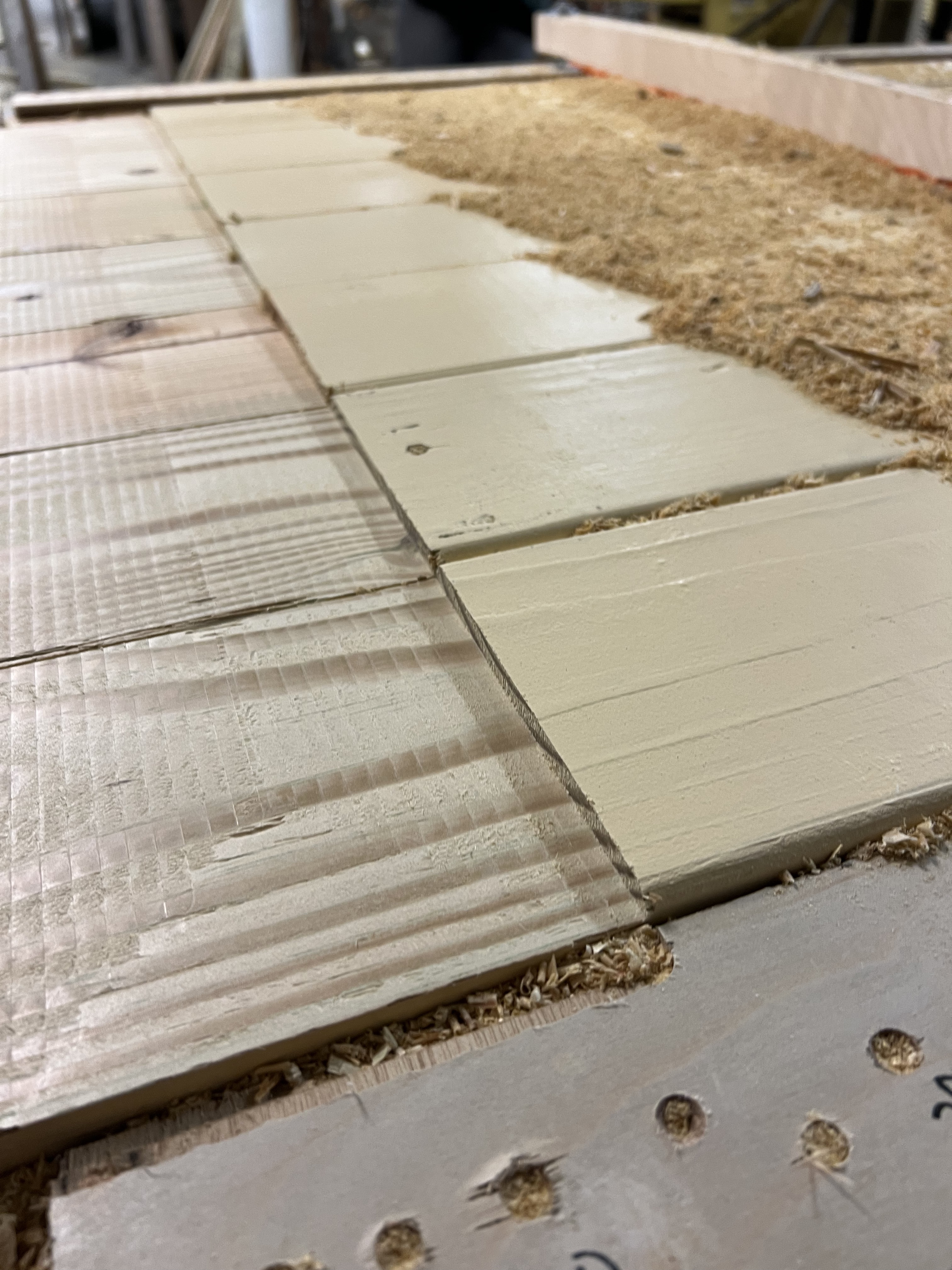
Although mistakes are stressful and must be minimized, they are great teachers. We can certainly say we’re learning a great deal about using the CNC!
