

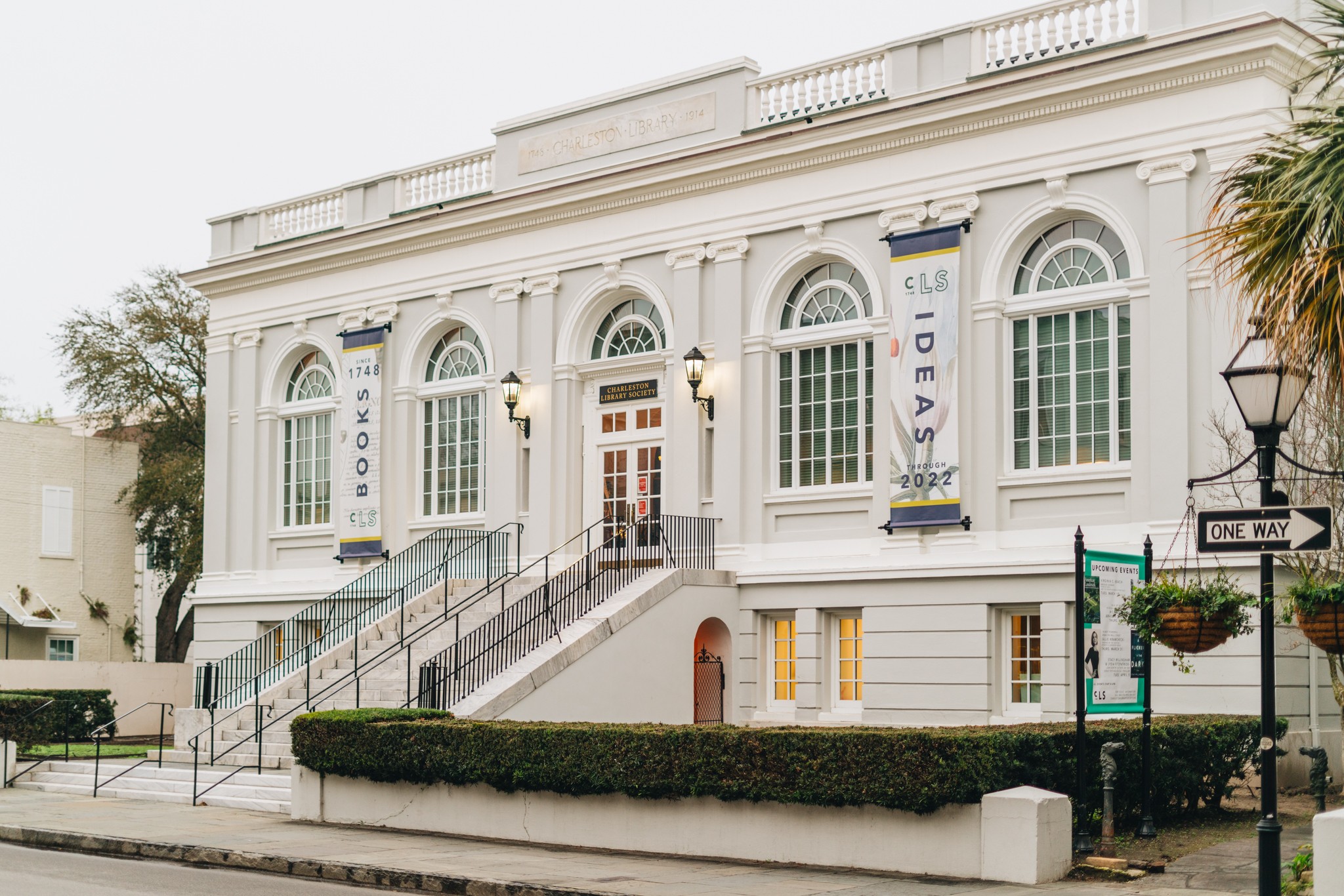
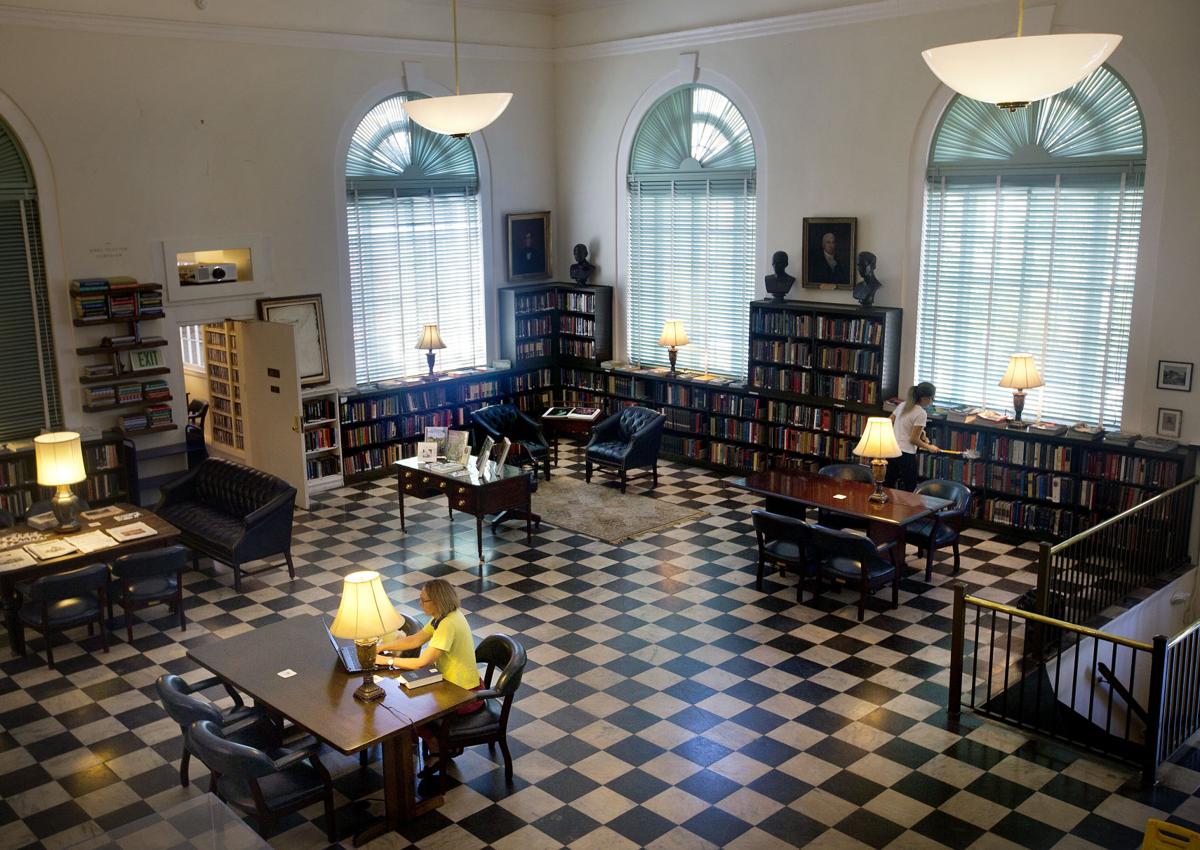
Finding places to hide out on the peninsula is not particularly easy these days. While I typically end up in a coffee shop or open air brewery, they have both become overcrowded and parking always seems to be a problem. Recently I have found myself at the Charleston Library Society. Located right off the corner of King and Queen, the CLS was founded in 1748 as a private lending library and today a comfortable quiet spot for reviewing plans or jumping on a laptop to post a blog. Within the library are treasured collections and documentation of literature, history, world affairs, and music. After 275 years, the Charleston Library Society remains the oldest cultural institution in the South and second-oldest circulating library in the country.
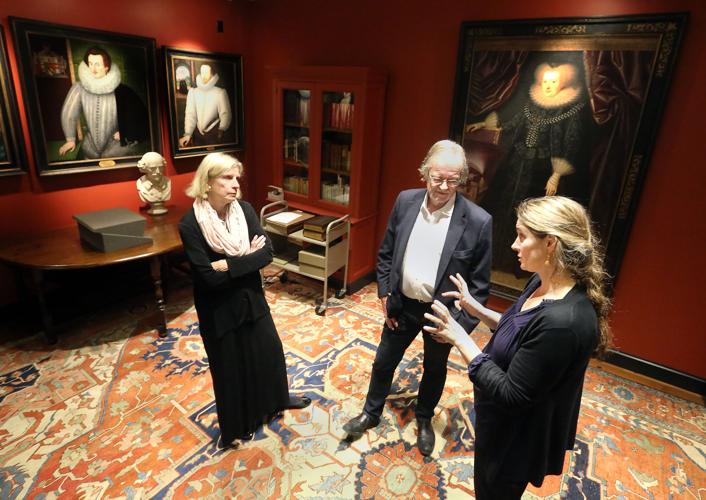
Although not highly publicized, the CLS holds a very valuable collection of Shakespeare, which was donated by Harold Igoe Jr., who was better known as “Skipper.” Skipper passed away in May of 2020 and the library was left his private collection of portrait paintings, furniture, texts and other items from the Elizabethan era in which William Shakespeare lived and worked. From what I remember, a few of the paintings in the Shakespeare Igoe Library (room) were transferred from The National Art Gallery in D.C. to Charleston after Skipper left them to the CLS in his will. Two of the seven portraits hanging in the Charleston Library Society’s Shakespeare room are of people who eventually lost their heads.
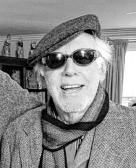
While I find it fascinating this little known Shakespeare collection exists in Charleston, this Skipper character has always peaked my interest the most. He was first described to me as a “salty harbor pilot” who grew up downtown and was… “just this particularly interesting guy.” Being raised in the Lowcountry, I have spent countless hours on the water, in the woods, or just simply appreciating what the Lowcountry has to offer. Skipper seemed to appreciate more than that, or rather all of it. I would encourage you to read Skipper’s obituary from The Post Courier which is posted below. In architecture, we are encouraged or forced to think differently. To acquire a ‘love and appreciation for knowledge and beauty, especially in nature, music, and the words of poetry and literature.’ And perhaps translate all this in order to contribute to our community in our own way. In our case, hopefully through architecture. I would encourage reading Skipper’s obituary with these thoughts in mind.
If you want the CliffsNotes, Skipper grew up downtown, ran away from high school, ended up in Africa and later became a stock broker, real estate agent, business investor, & harbor pilot. He could often be found on his John Deer tractor and crewed a 72 foot shrimp boat he owned out of Shem Creek named the Robby D. He carried a chainsaw in the back of his pick up truck and he collected Shakespeare. His rare collection can be found at the Charleston Library Society.
Obituary-
Harold E. Igoe, Jr. died on May 12, 2020, at the age of 83 in Charleston, SC. Known by all as “Skipper”, he is celebrated as a man of adventure, scholarly pursuits, eccentricity, and, to his family, a father and grandfather who provided a wonderful life, feared nothing, and was always true to himself. Skipper was born in Charleston in 1936 to Harold Eustace Igoe and Lottie Wise Igoe. He had a happy and carefree childhood in what was then a quieter and slower Charleston. He was an acolyte at Grace Episcopal Church and a member of the football team at Hazel Parker playground alongside many of those who would become lifelong friends. He attended the Gaud School in Charleston, Episcopal High School in VA, and the University of North Carolina at Chapel Hill, graduating in philosophy. He also attended classes in England, in Cambridge and in Stratford on Avon.
Skipper was a maverick from the beginning and always marched to the beat of his own drum. He ran away from Episcopal to go to Africa either to work with Albert Schweitzer or to become a great game hunter. His father promptly returned him to EHS where he had to work off a record number of demerits. Later in life he made several trips to Africa and wrote a short memoir of his adventures.
Skipper chased new and different experiences in both his work as well as the places he would call home. He was a Charleston harbor pilot as was his father and his grandfather. These years made a great and proud impression on him. Even after Alzheimer’s had reduced his vast vocabulary in later years, Skipper never lost the words “harbor pilot”. After his experience in the pilots, he worked as a stock broker, a real estate agent, and an investor in many businesses. One such venture was the “Robby D.” a seventy-two foot shrimp boat out of Shem Creek captained by a childhood friend. Early mornings often found Skipper with his son Sam in tow joining the crew of the Robby D., reveling in the glorious sea life hauled in by the trawler’s nets. He also enjoyed working with his hands and with the earth. In the company of his family, he built a summer home in Maine, high on a ridge overlooking the Penobscot Bay. Early in his career, he loved to work the fields of Martin’s Point Plantation on Wadmalaw Island. There he rode his John Deere tractor and he and the family enjoyed weekends in the old farmhouse beside the North Edisto River. He lived in Santa Barbara, CA where he collected books, and then in Santa Fe, NM in a sprawling adobe where he collected Native American paintings, pots, and silver, as well as photogravures by Edward Curtis. Before returning to Charleston, he lived near Charlottesville, VA where he had Shakespearean quotes painted on the walls of his Fair Oaks Plantation home.
Skipper had a great love and appreciation for knowledge and beauty, especially in nature, classical music, and the words of poetry and literature. He once served as president of the board at the Gibbes Museum of Art. In many ways a Renaissance man, Skipper derived as much pleasure on his John Deere tractor as he did reading his beloved Shakespeare; he took as much joy clearing a road through tangled woods on the rocky coast of Maine as he did listening, rapt, to Beethoven’s Fourth Piano Concerto. He knew the names of the birds and the trees, and drove a pick-up truck with a chainsaw in the back and books of poetry in the cab. He was as astonished by the inexplicable design of an oak leaf as he was by the delicate brushwork of a Whistler portrait or the refined form of a Faberge bowl.
An arch Anglophile with a passionate and enduring interest in Shakespeare and the Elizabethan Age, Skipper spent nearly fifty years collecting original rare books and portraits from that period. He lived vicariously in this era through his travels to England, of which he made nearly forty over the course of his life. In 2019, he donated his rare and valuable collection to the Charleston Library Society, where it is housed in the Igoe Shakespeare Library room, accessible to all. Other of his treasured works he gifted to the College of Charleston. In addition to his pamphlet on Africa, Skipper wrote poetry as well as a short introduction to the study of Shakespeare entitled “Wits to Read and Praise to Give” that is soon to be published by the Charleston Library Society.
Inscribed upon his library bookplate was “AMICITIA SINE FRAUDE,” meaning “friendship without deceit,” an aphorism that in many ways epitomized his character. He revered the words of Kahlil Gibran (whose poetry he wished to be read on his wedding day), “let there be no purpose in friendship save the deepening of the spirit”. He never complained, and he never burdened another living soul with his troubles. Those of us lucky enough to be within the golden scope of his affections are bereft and we will miss him dearly.